
Blog
Recovery, nutrition and training, in plain words
What HRV and Readiness mean, how much protein is in the food you actually eat, and how to train with what your body tells you.
These guides explain the numbers behind training and recovery, and the food you eat every day, with the sources for every claim. They are written by the team that builds Bodyvault, a private coach for iPhone and Android, and they’re general information, not medical advice.
- Recovery and sleep (4 guides): HRV, Readiness and sleep scores: what they measure and what to do with them.
- Food and protein (4 guides): Protein and calories in Indian food, in the portions you actually eat.
- Training (2 guides): Progressive overload, deload weeks and planning a week of training.
- Tools and comparisons: a protein calculator, and how Bodyvault compares with the apps people ask about most.
Each guide links to the studies and official tables it uses, says when it was last checked, and keeps to what the evidence shows.
Tools and comparisons
Compare
A WHOOP alternative for Apple Watch
Already wear an Apple Watch? Bodyvault makes it a recovery coach: Readiness out of 10, sleep and stress, plus food and workouts. How it compares with WHOOP.
Compare
MyFitnessPal alternatives: choose a food tracker for your routine
Compare MyFitnessPal, Cronometer, Foodnoms and Bodyvault by platform, logging workflow, nutrition detail and privacy. Choose what fits your daily routine.
Compare
Bevel vs Athlytic: recovery, tracking and the cost of each plan
Compare Bevel and Athlytic using current publisher documentation. See recovery workflows, tracking scope, US reference prices and where Bodyvault fits.
Calculator
Protein calculator for muscle building and weight loss
Calculate a general daily protein range in kg or lb. See separate exercise and weight-loss research contexts, assumptions and a worked serving example.
Recovery and sleep
Apple Watch HRV: find your readings and compare them properly
Find Apple Watch HRV in Health, distinguish SDNN from RMSSD, check missing readings and compare your own trend before interpreting a low number.
Apple Watch sleep score: points, missing data and daily use
Apple sleep score combines duration, bedtime consistency and interruptions. See its point breakdown, how to find it and why recovery scores differ.
HRV by age: what’s a normal heart rate variability?
Average HRV falls with age, from about 50 ms SDNN in your late 20s to under 30 ms by 65. Charts by age and sex from two studies, and what to compare yours with.

What is a readiness score, and should you train by it?
A readiness score compares last night’s HRV, resting heart rate and sleep with your usual to say how hard to train. How it works and how to use it.
Food and protein
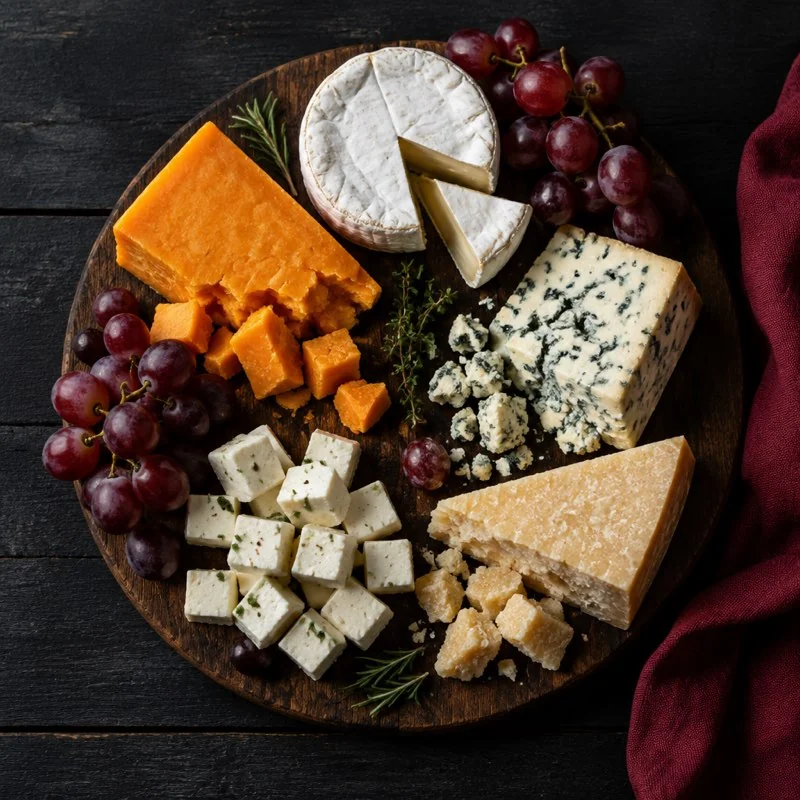
Paneer protein per 100 g: calories, portions and comparisons
Paneer has 18.9 g protein and 258 kcal per 100 g. Compare portions, tofu and Greek yogurt, with a protein chart and tips for buying paneer worldwide.
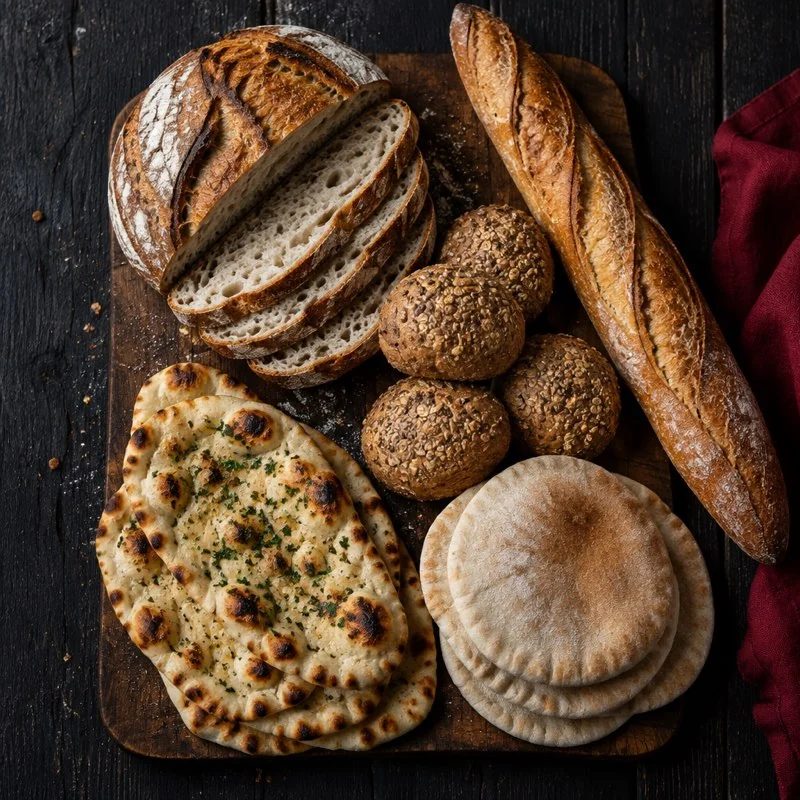
Calories in roti, chapati and paratha: a table for every kind
One medium chapati (36 g) has about 73 kcal and 2 g protein. Calories, protein, carbs and fat for roti, plain, aloo, gobhi and paneer paratha, thepla and naan.
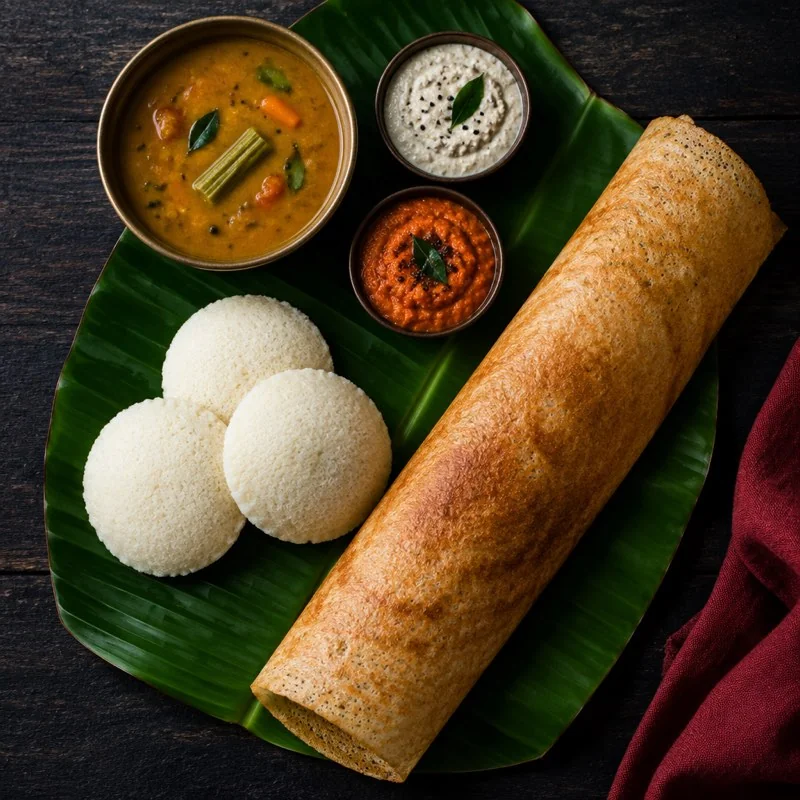
Calories in idli, dosa and sambar: a South Indian breakfast, counted
A small idli has about 35 kcal; a masala dosa about 346 kcal. Calories and protein for idli, dosa, rava dosa, pesarattu, uttapam, sambar and chutney.
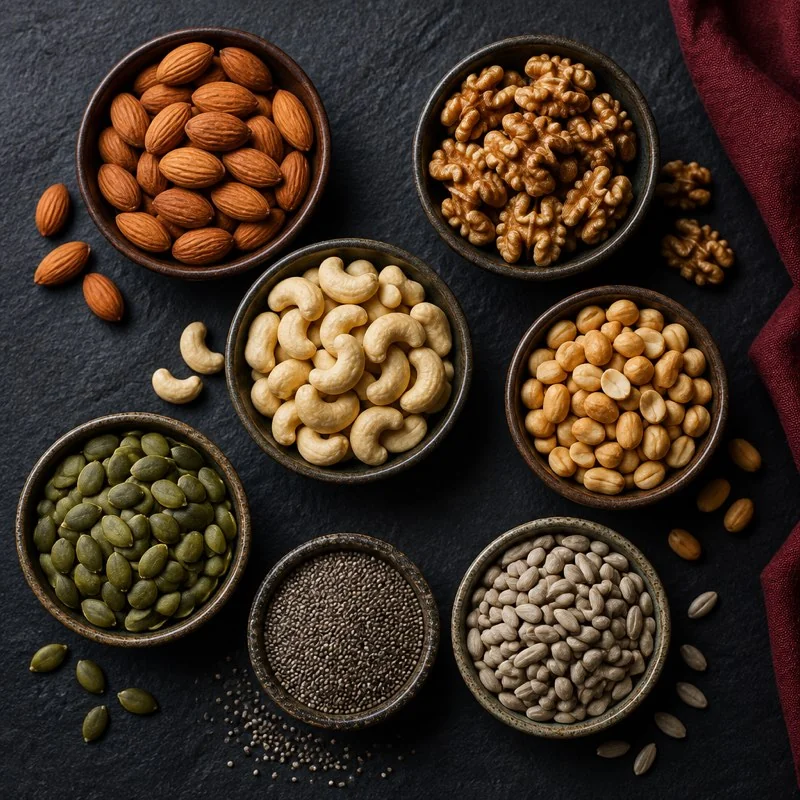
Navratri fasting food: calories and protein in vrat food
Calories and protein in sabudana khichdi, rajgira ladoo, makhana kheer, kuttu, singhara and other vrat food, and how to keep protein up while fasting.
Training
Deload week: how to reduce training stress and return to lifting
A deload reduces training stress for a short period. See an example week, ways to adjust sets and effort, and when rest or medical assessment matters.
Progressive overload: a bench-press example in kg and lb
Learn progressive overload with a bench-press table, kg and lb examples, double progression and practical steps when your lifts stop improving.